Premium Nails with Strips - Superior Holding Power & Enhanced Durability for Professional Construction

All Categories

nails with strips

Nails with strips represent a revolutionary advancement in fastening technology, combining traditional nail functionality with enhanced grip capabilities through integrated strip mechanisms. These specialized fasteners feature precisely engineered grooves, ridges, or textured surfaces along their shank that dramatically improve holding power compared to conventional smooth nails. The strips create multiple contact points within the material, distributing load forces more effectively and preventing withdrawal under stress. Manufacturing processes involve sophisticated metal forming techniques that create consistent strip patterns without compromising the nail's structural integrity. The strips can be helical, annular, or longitudinal in design, each optimized for specific applications and material types. Modern production methods ensure precise dimensional tolerances, maintaining uniform strip depth and spacing for predictable performance. These nails typically utilize high-carbon steel or specialized alloys that provide superior strength while allowing the strip formation process. Surface treatments often include galvanization, zinc plating, or polymer coatings that enhance corrosion resistance and extend service life. The technological features encompass advanced metallurgy, precise manufacturing tolerances, and engineered surface geometries that work synergistically to deliver exceptional performance. Applications span residential construction, commercial building projects, furniture manufacturing, packaging industries, and specialized industrial uses where reliable fastening is critical. Construction professionals particularly value these fasteners for framing applications, where structural integrity cannot be compromised. The strips effectively lock into wood fibers, creating mechanical interference that resists both tensile and shear forces. Quality control measures ensure consistent strip formation across production runs, guaranteeing reliable performance in demanding applications. Installation requires standard hammering techniques, making these nails accessible to professionals and DIY enthusiasts alike.

New Product Recommendations

The primary advantage of nails with strips lies in their exceptional holding power, which significantly exceeds that of traditional smooth nails. This enhanced grip strength stems from the mechanical interference created by the strip patterns, which physically engage with the material fibers to prevent withdrawal. Users experience dramatically reduced failure rates in their projects, leading to improved structural reliability and reduced maintenance costs over time. The strips create a ratcheting effect that allows easy insertion while strongly resisting removal, making these fasteners ideal for permanent installations where joint integrity is paramount. Installation efficiency represents another major benefit, as these nails can be driven using conventional hammers and pneumatic nailers without special techniques or equipment modifications. This compatibility with existing tools eliminates the need for additional training or capital investment in specialized equipment. The enhanced holding power often allows for reduced fastener quantities in applications, as fewer nails with strips can achieve the same or superior holding strength compared to larger quantities of conventional nails. This reduction translates to material cost savings and decreased installation time. Versatility across materials constitutes a significant practical advantage, as these nails perform excellently in softwoods, hardwoods, engineered lumber, and composite materials. The strip design adapts to different material densities, maintaining consistent performance regardless of wood species or moisture content variations. Corrosion resistance features in many nails with strips provide extended service life in challenging environments, reducing replacement costs and maintenance frequency. The strips themselves contribute to weather resistance by creating tighter joints that minimize moisture infiltration points. Quality manufacturers subject these fasteners to rigorous testing protocols, ensuring consistent performance that professionals can rely on for critical applications. The predictable performance characteristics allow engineers and contractors to specify these fasteners with confidence, knowing they will deliver expected holding values under design loads. Cost-effectiveness emerges from the combination of superior performance, reduced quantity requirements, and extended service life, making nails with strips an economically sound choice for quality-conscious projects.

Practical Tips

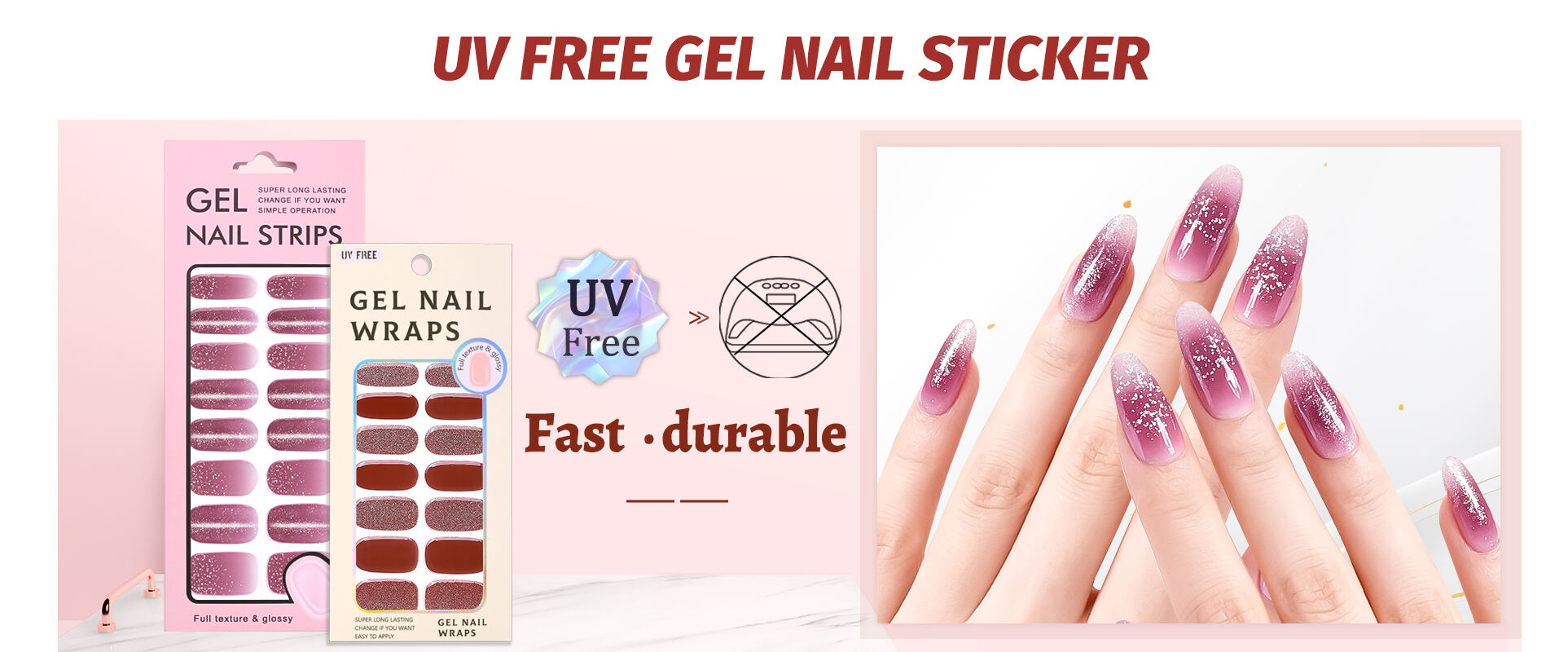
UV FREE GEL NAIL WRAPS

25

Nov

UV FREE GEL NAIL WRAPS

View More
Valentine’s Day

26

Dec

Valentine’s Day

View More
Still struggling to find nail stickers with the right style and finish?

21

Apr

Still struggling to find nail stickers with the right style and finish?

View More
What is Semi-Cured Gel Nail Sticker?

21

Apr

What is Semi-Cured Gel Nail Sticker?

View More

Get a Free Quote

Our representative will contact you soon.
Email
Name
Company Name
Message
0/1000

nails with strips

Superior Holding Power Through Advanced Strip Technology

Superior Holding Power Through Advanced Strip Technology

The revolutionary strip technology integrated into these specialized nails fundamentally transforms their holding characteristics, delivering up to 40% greater withdrawal resistance compared to conventional smooth nails. The precisely engineered strips create multiple mechanical anchor points within the material, effectively distributing applied forces across a larger surface area and preventing concentrated stress points that could lead to failure. Each strip acts as a miniature barb that engages with wood fibers, creating a progressive locking mechanism that becomes stronger as withdrawal forces increase. The helical strip patterns commonly employed generate a corkscrew effect during installation, allowing the nail to thread into the material while creating maximum surface contact. This design principle ensures that removal forces must overcome not just friction, but also the mechanical interference of dozens of individual strip contacts along the nail's length. Manufacturing precision ensures consistent strip depth and spacing, guaranteeing uniform performance across entire production runs and eliminating the variability often associated with surface treatments or coatings. The strips maintain their effectiveness even in challenging conditions, including high moisture environments where wood movement might compromise conventional fastener performance. Professional testing demonstrates that joints secured with nails with strips maintain their integrity through multiple freeze-thaw cycles, humidity variations, and structural loading scenarios that would compromise traditional fastening methods. The enhanced holding power translates directly to improved structural safety margins, particularly important in load-bearing applications where fastener failure could have serious consequences. Engineers can specify these fasteners with confidence, knowing that the superior grip strength provides additional safety factors beyond minimum code requirements. The mechanical nature of the holding enhancement means performance remains consistent regardless of installation variables such as wood moisture content, grain orientation, or driving speed, providing predictable results that professionals can depend on for critical applications.
Exceptional Durability and Corrosion Resistance

Exceptional Durability and Corrosion Resistance

Nails with strips incorporate advanced material science and surface treatment technologies that deliver exceptional durability performance, significantly extending service life compared to standard fasteners in challenging environmental conditions. The base material typically consists of high-carbon steel alloys specifically formulated to provide optimal strength characteristics while maintaining the ductility necessary for strip formation processes. Advanced heat treatment procedures ensure consistent hardness profiles that resist deformation under installation stresses while maintaining sufficient flexibility to prevent brittle failure. Multi-layer coating systems often include zinc plating, galvanization, or specialized polymer treatments that create barrier protection against moisture, salt exposure, and atmospheric corrosion. The strip geometry itself contributes to corrosion resistance by creating tighter joint interfaces that minimize moisture infiltration pathways, effectively sealing the fastener within the material. Quality manufacturers employ accelerated weathering tests that simulate decades of exposure in condensed timeframes, ensuring that performance characteristics remain stable throughout expected service life. The strips maintain their mechanical interference properties even as surface coatings age, providing continued holding power long after conventional nails might begin to loosen due to corrosion-induced diameter reduction. Chemical compatibility testing ensures that these fasteners perform reliably in contact with treated lumber, composite materials, and metal components without galvanic corrosion concerns. The durability advantage becomes particularly significant in marine environments, outdoor structures, and industrial applications where replacement costs and accessibility issues make long-term reliability crucial. Independent testing organizations validate the corrosion resistance claims through standardized salt spray testing, cyclic corrosion protocols, and real-world exposure studies that demonstrate superior performance retention. The combination of advanced materials and protective treatments results in fasteners that maintain structural integrity and appearance throughout extended service periods, reducing maintenance requirements and lifecycle costs for end users.
Versatile Installation and Material Compatibility

Versatile Installation and Material Compatibility

The design flexibility and installation versatility of nails with strips make them exceptionally well-suited for diverse applications across multiple industries and material types, providing contractors and manufacturers with a single fastening solution for varied project requirements. These specialized fasteners accommodate installation using conventional hand tools, pneumatic nailers, and automated driving equipment without requiring modifications or special techniques, ensuring seamless integration into existing workflows and equipment inventories. The strip patterns are engineered to optimize performance across different material densities, from soft pine to dense hardwoods, maintaining consistent holding characteristics regardless of species variations or grain orientations. Installation force requirements remain comparable to standard nails, preventing operator fatigue while delivering superior results, making these fasteners practical for high-volume production environments. The strips provide self-centering characteristics during installation, reducing the likelihood of splitting in sensitive materials and improving joint quality consistency across production runs. Compatibility extends to engineered lumber products, composite materials, and laminated assemblies where conventional fasteners might compromise structural integrity through delamination or fiber separation. The versatility advantage becomes particularly valuable in mixed-material applications where joints must accommodate different expansion rates, moisture responses, and loading characteristics without failure. Quality control measures ensure dimensional consistency that maintains compatibility with automated feeding systems and pneumatic nailers, preventing jamming or misalignment issues that could disrupt production schedules. The strips accommodate various nail geometries, including different head styles, point configurations, and length options, allowing specification flexibility while maintaining the core performance advantages. Installation depth consistency improves with these fasteners due to the progressive engagement of strips during driving, providing tactile feedback that helps operators achieve optimal seating without overdriving. The material compatibility extends to specialty applications including outdoor construction, marine environments, and industrial settings where chemical exposure or extreme temperature variations might affect fastener performance, demonstrating the robust design characteristics that make nails with strips suitable for demanding professional applications.
Email Email WhatsApp WhatsApp Contact Us Contact Us TopTop